Is the UFC
Suffering From
Success?

The UFC has never been more commercially successful, with record streaming deals, blockbuster events and fandom that stretches across the world. Four data-driven investigations ask what, if anything, that success has changed for the fighters, fans and sport built underneath it.

The context

The UFC has never been bigger.

By almost every commercial measure, the UFC is in its strongest position ever. Nothing embodies this more than the $7.7 billion deal with Paramount+ for ownership of their US streaming rights. This deal guarantees the UFC $1.1 billion a year, almost four times as much as their previous deal with ESPN. Couple that with landmark events like the UFC White House card or UFC 306 at the Sphere in Las Vegas, and there's no debate that the UFC has never been so dominant in its field.

None of that is in dispute. The more interesting question is what this success has changed about the organisation, its priorities and the way it operates.

The investigations

Four ways to test this question.

Each article investigates a different facet of the UFC's modern operation: the treatment of their biggest stars, the thought process behind their events, how the experience of attending a live event has changed for fans and how they manage the sport of MMA.

Click the articles below to explore each of these ideas.

01 / 04

The fighters

The Absence of the UFC's Biggest Stars

Conor McGregor, Ronda Rousey, Jon Jones and more have all faced issues in returning to the Octagon. Ranking the sport's biggest stars and tracking six stalled returns to an organisation which feels like it no longer needs them.

15 biggest MMA stars ranked by reach

Read the investigation
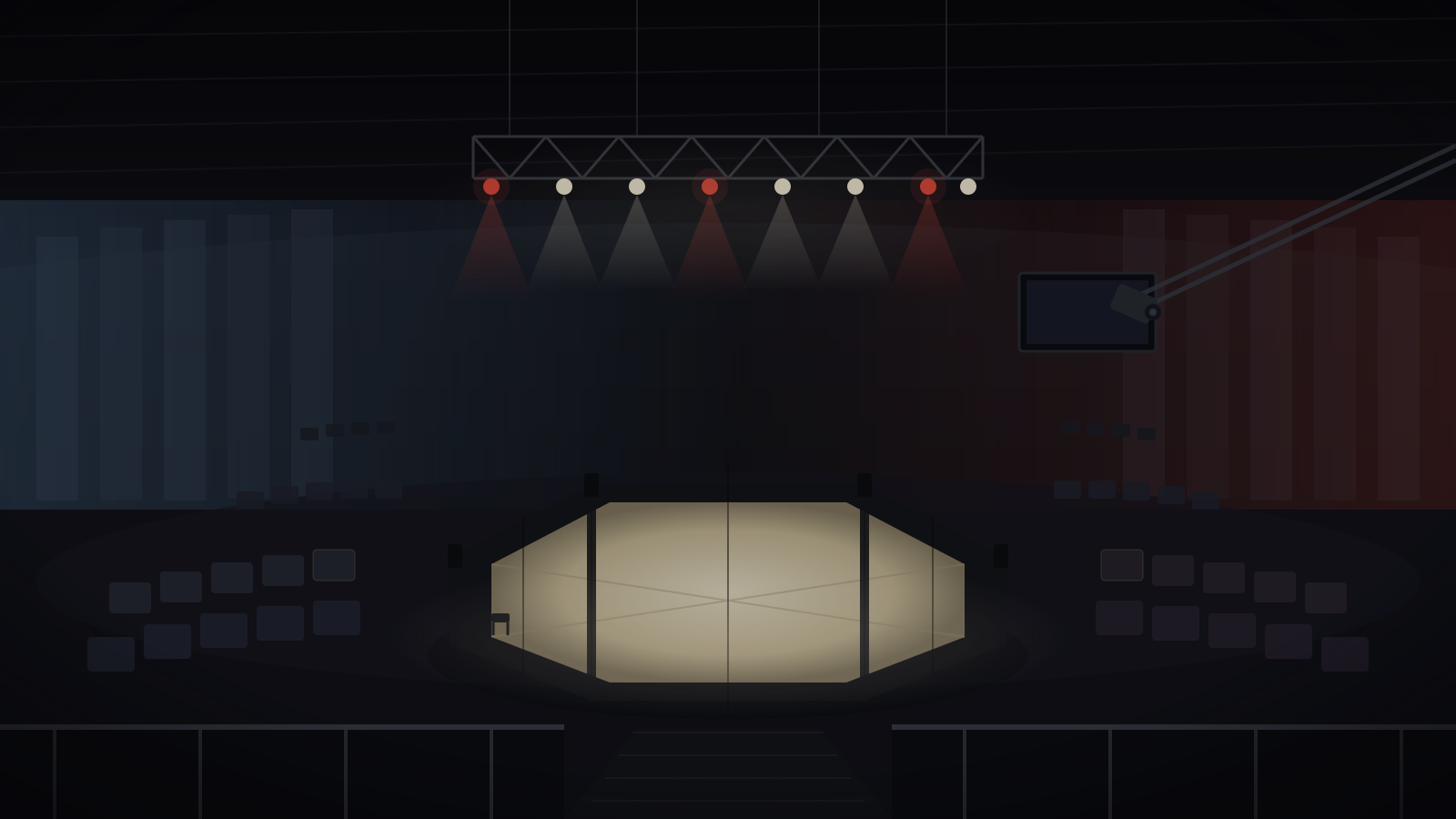
02 / 04 Illustration of the UFC Apex facility in Las Vegas

The venue

The Apex Effect

A production studio that became the UFC's most important venue. Years after COVID, why is the Apex still one of the UFC's staple event locations?

30% of UFC events held there since 2023

Read the investigation
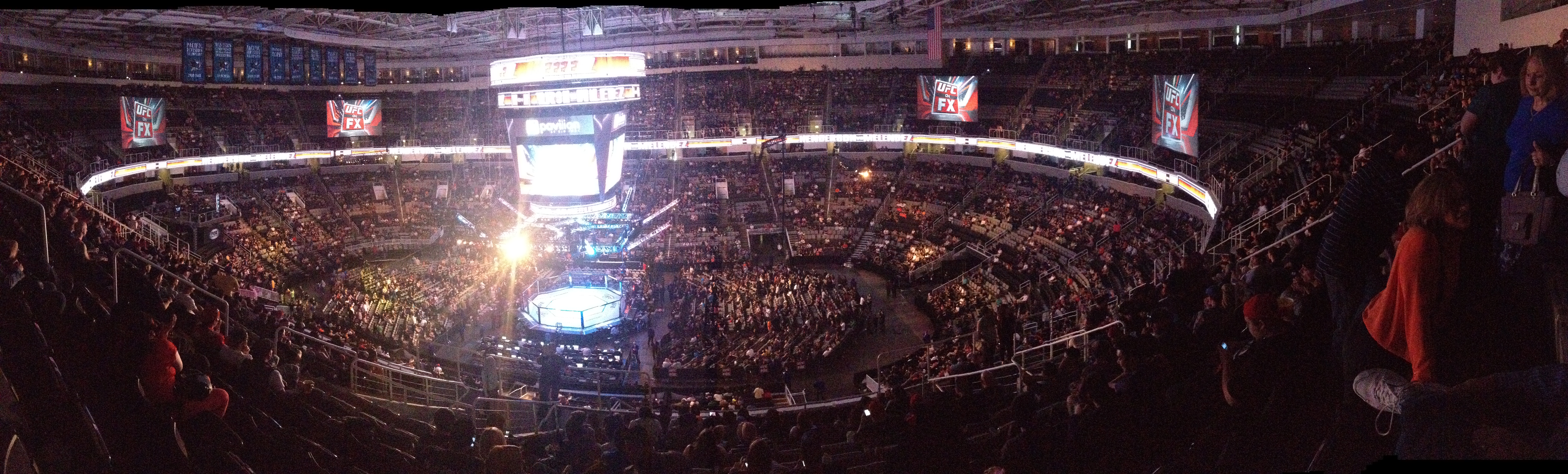
03 / 04 A packed UFC arena during a live event

The fans

The Changing Live Experience

Four long-time fans and twenty years of ticket data. Prices at the UFC's most frequently used arenas have more than doubled; fans have their say on whether this is fair and how the experience of attending a live UFC event has changed.

2× ticket prices as 2007–15

Read the investigation

04 / 04 Abstract illustration representing gridlock in the UFC's title pictures

The sport

Gridlock at the Top

Are champions jumping weight classes slowing down divisions or does the UFC need to do a better job at damage control when the inevitable happens? The data suggests that congestion hasn't increased but controversy has.

~90% days of controversy in the Flyweight division

Read the investigation

The connection

Four symptoms. One question.

None of these four findings alone proves the UFC is 'suffering'; a delayed return for a superstar, a smaller venue, a more expensive ticket or a contentious title reign. Each has its own explanation. But looked at together, a pattern starts to emerge.

01

Fighters

Less reliant on any one superstar

02

Venue

An emergency fix kept for its efficiency

03

Fans

Paying more for a changed experience

04

Sport

Title pictures harder to keep clean

Commercial efficiency vs. Sporting & fan value

So, is the UFC suffering from success?

Not in the conventional sense. Taken purely as a business, the UFC is thriving and the fact they're able to make some of the decisions that have contributed to these issues evidences that. A struggling promotion would do everything in their power to ensure their fans were satisfied. This means booking the biggest fighters possible as soon as they're available, hosting an equitable distribution of events to ensure all fans have the opportunity to attend events, and managing sporting issues so they don't impact the integrity of the organisation.

The evidence across all four investigations suggests the UFC has transcended beyond the day-to-day priorities of a normal fight promotion. Instead, the UFC sees itself more as a business than a sporting organisation and their new entrepreneurial approach doesn't always align with the interests of fighters, fans and the sport itself.

Increasingly prioritised

  • Commercial efficiency
  • Media & broadcast commitments
  • Revenue & scalability
  • Entertainment value

Sometimes at odds with

  • Fighter autonomy
  • Live-event atmosphere
  • Accessibility for fans
  • Sporting continuity & meritocracy

This evidence is not one-sided. The Apex is not an inherently bad venue and the fans interviewed were more forgiving of it than online reaction would suggest. Ticket-prices are increasing, but if events are still selling out then nothing's stopping the UFC from doing this. Divisional congestion and the lack of the biggest stars aren't stopping the UFC either. Viewership figures suggest the UFC itself is the main draw now and fans will tune in just to watch a UFC show.

The strength of this project isn't any single finding; it's the pattern across four independent tests that challenge a popular assumption rather than confirm it.

The UFC isn't failing because it became successful. The question is whether its definition of success has quietly changed.